Buy waldbaden.eu ?
We are moving the project
waldbaden.eu .
Are you interested in purchasing the domain
waldbaden.eu ?
domain@kv-gmbh.de · 0541-91531010
Buy waldbaden.eu ?
How do I calculate refraction or the angle of refraction?
To calculate refraction or the angle of refraction, you can use Snell's Law, which relates the angles of incidence and refraction to the refractive indices of the two mediums involved. The formula is n1*sin(theta1) = n2*sin(theta2), where n1 and n2 are the refractive indices of the two mediums, and theta1 and theta2 are the angles of incidence and refraction, respectively. By rearranging this formula, you can solve for the angle of refraction when given the angle of incidence and refractive indices of the mediums. **
How do I calculate the refraction or the angle of refraction?
To calculate the angle of refraction, you can use Snell's Law, which states that the ratio of the sine of the angle of incidence to the sine of the angle of refraction is equal to the ratio of the velocities of light in the two different mediums. Mathematically, this can be expressed as n1*sin(theta1) = n2*sin(theta2), where n1 and n2 are the refractive indices of the two mediums, and theta1 and theta2 are the angles of incidence and refraction, respectively. By rearranging this equation, you can solve for the angle of refraction. **
Similar search terms for Refraction
Top-Angebote
Products related to Refraction:
-
Quick Pick Pro Prism Effect Diffraction Glasses For Raves & Festivals Black Frame Rave Glasses With Light Refraction Lenses Prism Effect Diffraction Glasses For Raves & Festivals Black Frame Rave Glasses With Light Refraction LensesStep into a world where light becomes a living celebration. These Prism Effect diffraction glasses turn every laser, LED and stage light into vibrant, kaleidoscopic visuals that pull you deeper into the moment. Designed for music lovers, festival...41,97 $*Shipping: 0,00 $Secure redirect to the provider
-
Nature Kare Wellness Jwmax 300 mlNutrition and Supplements Special supplements Nature Kare Wellness Jwmax 300 ml This liquid composition, highly concentrated, contributes to the rehabilitation of damaged cartilage, to the proper functioning of the joints, and to the reduction of pain and inflammation. Precautions: They have not been described. Composition: Water, 20% Glucosamine Sulfate, 12% Chondroitin Sulfate, 5% Methyl Sulfonyl Methane (MSM), Collagen, 2% black currant concentrate juice, forest fruit aroma, 0.5% fish collagen, inulin 0.5%, 0.5% hyaluronic acid, vitamin C (ascorbic acid) 0.12%, preservative (potassium sorbate), sweeteners: sucralose and steviol glycosides from Stevia rebaudiana extract, beta carotene dye, Vitamin D (cholecalciferol) ). How to use: Take 10 ml 1 time a day, preferably before breakfast.34,73 £*Shipping: 3,99 £Secure redirect to the provider
-
Nature Kare Wellness Candikare 90 CapsulesNutrition and Supplements Special supplements Nature Kare Wellness Candikare 90 Capsules Synergic compound, excellent adjuvant in maintaining the healthy balance of the intestinal and vaginal bacterial flora and the digestive tract. Precautions: They have not been described. Composition: Sodium Caprilate, dry grapefruit extract, oregano, hydroxypropylmethylcellulose (empty capsule shell), maltodextrin, anti-caking agent (magnesium stearate), PW probiotics (corn starch, bacterial strains: B. bifidum, B. breve, B. lactis , B. longum, E. faecium, L-acidophilus, L. brevis, L. casei, L. plantarum, L. rhamnosus, L. salivarius, L. sporogenes, L. lactis, S. thermophilus), maltodextrin. How to use: Take 3 capsules a day, preferably before meals.25,65 £*Shipping: 3,99 £Secure redirect to the provider
-
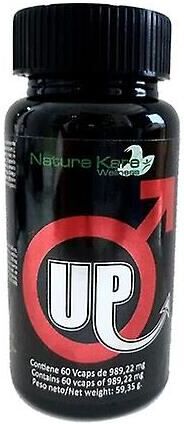
Nature Kare Wellness Up 60 CapsulesNutrition and Supplements Natural Extracts Nature Kare Wellness Up 60 Capsules What is Nature Kare Wellness Up 60 Vegetable Capsules? Nature Kare Wellness Up 60 Vegetable Capsules is an advanced nutritional supplement designed to support the general well-being of the body. Comprised of a unique blend of natural ingredients, each veggie capsule is formulated to strengthen the immune system, improve energy, and promote optimal health. The capsules are 100% vegetable, making them suitable for vegetarians and vegans. Benefits: * Strengthens the immune system thanks to its content of essential vitamins and minerals. * Increases energy levels and improves overall vitality. * Supports digestive health by incorporating prebiotics and fiber. * Contributes to better mental health and stress reduction with natural adaptogens. For whom it is? Nature Kare Wellness Up 60 Vegetable Capsules is ideal for adults looking to improve their health and general well-being. It is especially beneficial for those who lead an active lifestyle, people seeking additional nutritional support in their daily diet, and those who are interested in maintaining a robust immune system. How do I apply it? It is recommended to take one capsule of Nature Kare Wellness Up 60 Vegetable Capsules per day, preferably with a meal. It is important to read the label and follow dosage instructions to ensure maximum benefit from the supplement. Consult a health care professional before starting any new supplement, especially if you are pregnant, nursing, or have any pre-existing medical conditions. Buy Nature Kare Wellness Up 60 Vegetable Capsules Nature Kare Wellness Up 60 Vegetable Capsules is available for purchase in our online store. If you are looking for a natural boost to your health and well-being, this supplement offers a comprehensive and effective solution. Place your order now and start your path to a healthier and more energetic lifestyle.16,13 £*Shipping: 3,99 £Secure redirect to the provider

-
What is the angle of refraction in the refraction of light?
The angle of refraction in the refraction of light is the angle between the refracted ray and the normal to the surface at the point of incidence. It is determined by Snell's Law, which states that the ratio of the sine of the angle of incidence to the sine of the angle of refraction is equal to the ratio of the velocities of light in the two media. The angle of refraction can be calculated using the formula: n1*sin(θ1) = n2*sin(θ2), where n1 and n2 are the refractive indices of the two media, and θ1 and θ2 are the angles of incidence and refraction, respectively. **
-
What is refraction in a prism?
Refraction in a prism is the bending of light as it passes through the prism due to the change in speed of light in different mediums. When light enters a prism, it slows down and bends towards the normal line, then as it exits the prism, it speeds up and bends away from the normal line. This bending of light causes the different colors of the spectrum to separate and create a rainbow effect. **
-
What is the law of refraction?
The law of refraction, also known as Snell's law, describes the relationship between the angles of incidence and refraction when a wave, such as light or sound, passes from one medium to another. It states that the ratio of the sine of the angle of incidence to the sine of the angle of refraction is equal to the ratio of the velocities of the wave in the two media. In other words, the law of refraction quantifies how much a wave bends as it passes from one medium to another, such as from air to water or from air to glass. **
-
How does the refraction of light occur?
Refraction of light occurs when light travels from one medium to another with a different optical density, causing the light rays to change direction. This change in direction is due to the difference in speed of light in the two mediums. As light enters a medium with a different optical density, it can either speed up or slow down, causing the light rays to bend. This bending of light is what we observe as refraction. **
How can one construct refraction of light?
One can construct refraction of light by passing light through a medium with a different optical density, such as air to water or glass. The change in optical density causes the light to change speed and bend as it enters the new medium, resulting in refraction. The angle of refraction can be calculated using Snell's Law, which relates the angles of incidence and refraction to the refractive indices of the two mediums. By understanding and manipulating these principles, one can effectively construct and demonstrate refraction of light. **
How do you calculate refraction in physics?
In physics, refraction is calculated using Snell's Law, which relates the angles of incidence and refraction to the refractive indices of the two materials involved. The formula for Snell's Law is n1*sin(θ1) = n2*sin(θ2), where n1 and n2 are the refractive indices of the two materials, and θ1 and θ2 are the angles of incidence and refraction, respectively. By rearranging this formula, one can solve for any of the variables involved in the refraction process. This calculation is crucial for understanding how light bends as it passes from one medium to another, such as from air to water or from air to glass. **
Top-Angebote
Products related to Refraction:
-
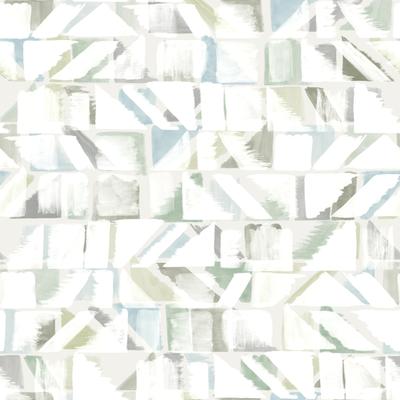
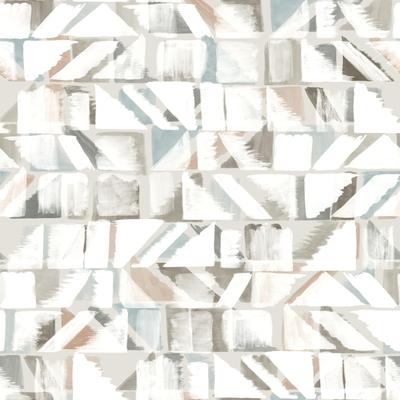
York Wallcoverings Blue Refraction Peel and Stick WallpaperPattern Refraction is a fractured geometric with the effect of a broken prism of reflected light. This Refraction Peel & Stick Wallpaper measures approximately 20.5 inches wide by 20 feet long, covering About 34.2 square feet per roll.47,07 $*Shipping: 0,00 $Secure redirect to the provider
-
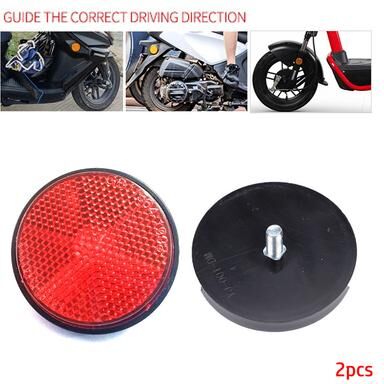
Smart Shopping Spot Motorcycle Night Reflector, Circular Reflector For Cars, Trucks, Refraction Light redIlluminate Your Ride with the Circular Reflector Ensure safety and visibility during night rides with the Circular Reflector for Cars, Trucks, and Motorcycles. This easytoinstall reflector light ensures you're seen, whether driving a car, truck, or...22,97 $*Shipping: 0,00 $Secure redirect to the provider
-
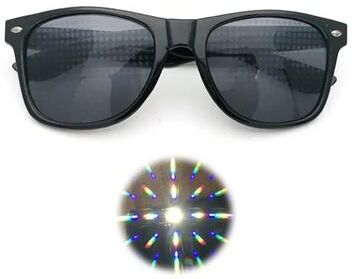
Quick Pick Pro Prism Effect Diffraction Glasses For Raves & Festivals Black Frame Rave Glasses With Light Refraction Lenses Prism Effect Diffraction Glasses For Raves & Festivals Black Frame Rave Glasses With Light Refraction LensesStep into a world where light becomes a living celebration. These Prism Effect diffraction glasses turn every laser, LED and stage light into vibrant, kaleidoscopic visuals that pull you deeper into the moment. Designed for music lovers, festival...41,97 $*Shipping: 0,00 $Secure redirect to the provider
-
Nature Kare Wellness Jwmax 300 mlNutrition and Supplements Special supplements Nature Kare Wellness Jwmax 300 ml This liquid composition, highly concentrated, contributes to the rehabilitation of damaged cartilage, to the proper functioning of the joints, and to the reduction of pain and inflammation. Precautions: They have not been described. Composition: Water, 20% Glucosamine Sulfate, 12% Chondroitin Sulfate, 5% Methyl Sulfonyl Methane (MSM), Collagen, 2% black currant concentrate juice, forest fruit aroma, 0.5% fish collagen, inulin 0.5%, 0.5% hyaluronic acid, vitamin C (ascorbic acid) 0.12%, preservative (potassium sorbate), sweeteners: sucralose and steviol glycosides from Stevia rebaudiana extract, beta carotene dye, Vitamin D (cholecalciferol) ). How to use: Take 10 ml 1 time a day, preferably before breakfast.34,73 £*Shipping: 3,99 £Secure redirect to the provider
-
How do I calculate refraction or the angle of refraction?
To calculate refraction or the angle of refraction, you can use Snell's Law, which relates the angles of incidence and refraction to the refractive indices of the two mediums involved. The formula is n1*sin(theta1) = n2*sin(theta2), where n1 and n2 are the refractive indices of the two mediums, and theta1 and theta2 are the angles of incidence and refraction, respectively. By rearranging this formula, you can solve for the angle of refraction when given the angle of incidence and refractive indices of the mediums. **
-
How do I calculate the refraction or the angle of refraction?
To calculate the angle of refraction, you can use Snell's Law, which states that the ratio of the sine of the angle of incidence to the sine of the angle of refraction is equal to the ratio of the velocities of light in the two different mediums. Mathematically, this can be expressed as n1*sin(theta1) = n2*sin(theta2), where n1 and n2 are the refractive indices of the two mediums, and theta1 and theta2 are the angles of incidence and refraction, respectively. By rearranging this equation, you can solve for the angle of refraction. **
-
What is the angle of refraction in the refraction of light?
The angle of refraction in the refraction of light is the angle between the refracted ray and the normal to the surface at the point of incidence. It is determined by Snell's Law, which states that the ratio of the sine of the angle of incidence to the sine of the angle of refraction is equal to the ratio of the velocities of light in the two media. The angle of refraction can be calculated using the formula: n1*sin(θ1) = n2*sin(θ2), where n1 and n2 are the refractive indices of the two media, and θ1 and θ2 are the angles of incidence and refraction, respectively. **
-
What is refraction in a prism?
Refraction in a prism is the bending of light as it passes through the prism due to the change in speed of light in different mediums. When light enters a prism, it slows down and bends towards the normal line, then as it exits the prism, it speeds up and bends away from the normal line. This bending of light causes the different colors of the spectrum to separate and create a rainbow effect. **
Similar search terms for Refraction
-
Nature Kare Wellness Candikare 90 CapsulesNutrition and Supplements Special supplements Nature Kare Wellness Candikare 90 Capsules Synergic compound, excellent adjuvant in maintaining the healthy balance of the intestinal and vaginal bacterial flora and the digestive tract. Precautions: They have not been described. Composition: Sodium Caprilate, dry grapefruit extract, oregano, hydroxypropylmethylcellulose (empty capsule shell), maltodextrin, anti-caking agent (magnesium stearate), PW probiotics (corn starch, bacterial strains: B. bifidum, B. breve, B. lactis , B. longum, E. faecium, L-acidophilus, L. brevis, L. casei, L. plantarum, L. rhamnosus, L. salivarius, L. sporogenes, L. lactis, S. thermophilus), maltodextrin. How to use: Take 3 capsules a day, preferably before meals.25,65 £*Shipping: 3,99 £Secure redirect to the provider
-
Nature Kare Wellness Up 60 CapsulesNutrition and Supplements Natural Extracts Nature Kare Wellness Up 60 Capsules What is Nature Kare Wellness Up 60 Vegetable Capsules? Nature Kare Wellness Up 60 Vegetable Capsules is an advanced nutritional supplement designed to support the general well-being of the body. Comprised of a unique blend of natural ingredients, each veggie capsule is formulated to strengthen the immune system, improve energy, and promote optimal health. The capsules are 100% vegetable, making them suitable for vegetarians and vegans. Benefits: * Strengthens the immune system thanks to its content of essential vitamins and minerals. * Increases energy levels and improves overall vitality. * Supports digestive health by incorporating prebiotics and fiber. * Contributes to better mental health and stress reduction with natural adaptogens. For whom it is? Nature Kare Wellness Up 60 Vegetable Capsules is ideal for adults looking to improve their health and general well-being. It is especially beneficial for those who lead an active lifestyle, people seeking additional nutritional support in their daily diet, and those who are interested in maintaining a robust immune system. How do I apply it? It is recommended to take one capsule of Nature Kare Wellness Up 60 Vegetable Capsules per day, preferably with a meal. It is important to read the label and follow dosage instructions to ensure maximum benefit from the supplement. Consult a health care professional before starting any new supplement, especially if you are pregnant, nursing, or have any pre-existing medical conditions. Buy Nature Kare Wellness Up 60 Vegetable Capsules Nature Kare Wellness Up 60 Vegetable Capsules is available for purchase in our online store. If you are looking for a natural boost to your health and well-being, this supplement offers a comprehensive and effective solution. Place your order now and start your path to a healthier and more energetic lifestyle.16,13 £*Shipping: 3,99 £Secure redirect to the provider
-
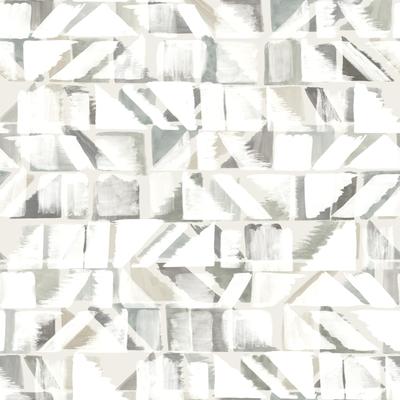
York Wallcoverings Neutral Refraction Peel and Stick WallpaperPattern Refraction is a fractured geometric with the effect of a broken prism of reflected light. This Refraction Peel & Stick Wallpaper measures approximately 20.5 inches wide by 20 feet long, covering About 34.2 square feet per roll.55,25 $*Shipping: 0,00 $Secure redirect to the provider
-
York Wallcoverings Brown and Beige Refraction Peel and Stick WallpaperPattern Refraction is a fractured geometric with the effect of a broken prism of reflected light. This Refraction Peel & Stick Wallpaper measures approximately 20.5 inches wide by 20 feet long, covering About 34.2 square feet per roll.40,80 $*Shipping: 0,00 $Secure redirect to the provider
-
What is the law of refraction?
The law of refraction, also known as Snell's law, describes the relationship between the angles of incidence and refraction when a wave, such as light or sound, passes from one medium to another. It states that the ratio of the sine of the angle of incidence to the sine of the angle of refraction is equal to the ratio of the velocities of the wave in the two media. In other words, the law of refraction quantifies how much a wave bends as it passes from one medium to another, such as from air to water or from air to glass. **
-
How does the refraction of light occur?
Refraction of light occurs when light travels from one medium to another with a different optical density, causing the light rays to change direction. This change in direction is due to the difference in speed of light in the two mediums. As light enters a medium with a different optical density, it can either speed up or slow down, causing the light rays to bend. This bending of light is what we observe as refraction. **
-
How can one construct refraction of light?
One can construct refraction of light by passing light through a medium with a different optical density, such as air to water or glass. The change in optical density causes the light to change speed and bend as it enters the new medium, resulting in refraction. The angle of refraction can be calculated using Snell's Law, which relates the angles of incidence and refraction to the refractive indices of the two mediums. By understanding and manipulating these principles, one can effectively construct and demonstrate refraction of light. **
-
How do you calculate refraction in physics?
In physics, refraction is calculated using Snell's Law, which relates the angles of incidence and refraction to the refractive indices of the two materials involved. The formula for Snell's Law is n1*sin(θ1) = n2*sin(θ2), where n1 and n2 are the refractive indices of the two materials, and θ1 and θ2 are the angles of incidence and refraction, respectively. By rearranging this formula, one can solve for any of the variables involved in the refraction process. This calculation is crucial for understanding how light bends as it passes from one medium to another, such as from air to water or from air to glass. **
* All prices are inclusive of VAT and, if applicable, plus shipping costs. The offer information is based on the details provided by the respective shop and is updated through automated processes. Real-time updates do not occur, so deviations can occur in individual cases. ** Note: Parts of this content were created by AI.