Buy waldbaden.eu ?
We are moving the project
waldbaden.eu .
Are you interested in purchasing the domain
waldbaden.eu ?
domain@kv-gmbh.de · 0541-91531010
Buy waldbaden.eu ?
Does lavender tea taste good?
Lavender tea has a unique taste that is often described as floral, slightly sweet, and calming. Some people find the taste of lavender tea to be pleasant and soothing, while others may find it too strong or overpowering. Ultimately, whether lavender tea tastes good is subjective and depends on individual preferences for floral flavors. **
What is the nature of sugar in tea?
The nature of sugar in tea is that it is a simple carbohydrate that dissolves in the hot liquid. When sugar is added to tea, it sweetens the flavor and adds a pleasant taste. However, excessive consumption of sugar in tea can contribute to health issues such as weight gain and tooth decay. It is important to consume sugar in moderation and be mindful of the amount added to tea. **

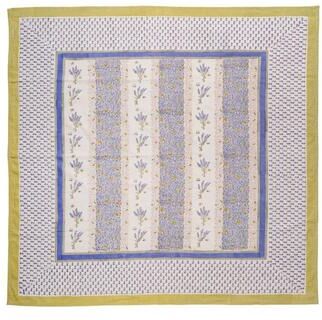
Similar search terms for Couleur-Nature-Lavender-Tea
Top-Angebote
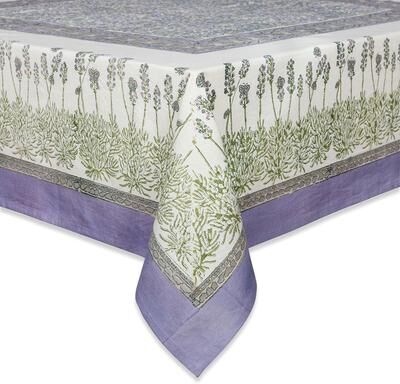
Products related to Couleur-Nature-Lavender-Tea:


-
What is the shelf life of lavender tea?
The shelf life of lavender tea can vary depending on how it is stored. When stored in a cool, dark, and dry place in an airtight container, lavender tea can last for up to 2 years. However, if the tea is exposed to light, heat, or moisture, its shelf life can be significantly reduced. It is important to check the packaging for any specific expiration date or storage recommendations. **
-
How long is the shelf life of lavender tea?
The shelf life of lavender tea is typically around 1-2 years if stored properly in a cool, dark, and dry place. It is important to keep the tea away from moisture, heat, and direct sunlight to maintain its freshness and flavor. Over time, the aroma and taste of lavender tea may diminish, so it is best to consume it within the recommended time frame for the best experience. **
-
Is it unhealthy to drink lavender tea every evening?
Drinking lavender tea every evening in moderation is generally considered safe and can have calming effects on the body. However, excessive consumption of lavender tea may lead to potential health risks such as nausea, vomiting, and headaches. It is important to consult with a healthcare professional before making it a regular part of your evening routine, especially if you have any pre-existing health conditions or are taking medications. **
-
Why is it actually called Mother Nature and not Father Nature or Human Nature?
The term "Mother Nature" likely originated from ancient cultures that personified nature as a nurturing and life-giving force, similar to the role of a mother. This concept is rooted in the idea of the Earth as a source of sustenance and fertility, which aligns with the nurturing and life-giving qualities traditionally associated with motherhood. Additionally, the association of nature with femininity may also stem from the ancient worship of female deities representing the Earth and fertility. Over time, this association has become deeply ingrained in many cultures and continues to be reflected in the use of the term "Mother Nature." **


What do you prefer: Nature, forest, or meadow?
I prefer nature as it encompasses a wide range of environments, including forests and meadows. I enjoy the tranquility and beauty of forests with their lush greenery and diverse wildlife. Meadows, on the other hand, offer open spaces with colorful flowers and grassy fields. Overall, I appreciate the variety that nature provides and the opportunity to experience different landscapes. **
What professions exist in nature and the forest?
In nature and the forest, there are various professions that exist such as botanists, ecologists, foresters, wildlife biologists, and conservationists. Botanists study plants and their ecosystems, while ecologists focus on the relationships between organisms and their environment. Foresters manage and protect forests, ensuring their sustainability. Wildlife biologists study animals and their habitats, while conservationists work to preserve and protect natural areas and species. These professions play crucial roles in understanding, managing, and conserving the biodiversity of forests and natural environments. **
Top-Angebote
Products related to Couleur-Nature-Lavender-Tea:
-
Does lavender tea taste good?
Lavender tea has a unique taste that is often described as floral, slightly sweet, and calming. Some people find the taste of lavender tea to be pleasant and soothing, while others may find it too strong or overpowering. Ultimately, whether lavender tea tastes good is subjective and depends on individual preferences for floral flavors. **
-
What is the nature of sugar in tea?
The nature of sugar in tea is that it is a simple carbohydrate that dissolves in the hot liquid. When sugar is added to tea, it sweetens the flavor and adds a pleasant taste. However, excessive consumption of sugar in tea can contribute to health issues such as weight gain and tooth decay. It is important to consume sugar in moderation and be mindful of the amount added to tea. **
-
What is the shelf life of lavender tea?
The shelf life of lavender tea can vary depending on how it is stored. When stored in a cool, dark, and dry place in an airtight container, lavender tea can last for up to 2 years. However, if the tea is exposed to light, heat, or moisture, its shelf life can be significantly reduced. It is important to check the packaging for any specific expiration date or storage recommendations. **
-
How long is the shelf life of lavender tea?
The shelf life of lavender tea is typically around 1-2 years if stored properly in a cool, dark, and dry place. It is important to keep the tea away from moisture, heat, and direct sunlight to maintain its freshness and flavor. Over time, the aroma and taste of lavender tea may diminish, so it is best to consume it within the recommended time frame for the best experience. **
Similar search terms for Couleur-Nature-Lavender-Tea
-
Is it unhealthy to drink lavender tea every evening?
Drinking lavender tea every evening in moderation is generally considered safe and can have calming effects on the body. However, excessive consumption of lavender tea may lead to potential health risks such as nausea, vomiting, and headaches. It is important to consult with a healthcare professional before making it a regular part of your evening routine, especially if you have any pre-existing health conditions or are taking medications. **
-
Why is it actually called Mother Nature and not Father Nature or Human Nature?
The term "Mother Nature" likely originated from ancient cultures that personified nature as a nurturing and life-giving force, similar to the role of a mother. This concept is rooted in the idea of the Earth as a source of sustenance and fertility, which aligns with the nurturing and life-giving qualities traditionally associated with motherhood. Additionally, the association of nature with femininity may also stem from the ancient worship of female deities representing the Earth and fertility. Over time, this association has become deeply ingrained in many cultures and continues to be reflected in the use of the term "Mother Nature." **
-
What do you prefer: Nature, forest, or meadow?
I prefer nature as it encompasses a wide range of environments, including forests and meadows. I enjoy the tranquility and beauty of forests with their lush greenery and diverse wildlife. Meadows, on the other hand, offer open spaces with colorful flowers and grassy fields. Overall, I appreciate the variety that nature provides and the opportunity to experience different landscapes. **
-
What professions exist in nature and the forest?
In nature and the forest, there are various professions that exist such as botanists, ecologists, foresters, wildlife biologists, and conservationists. Botanists study plants and their ecosystems, while ecologists focus on the relationships between organisms and their environment. Foresters manage and protect forests, ensuring their sustainability. Wildlife biologists study animals and their habitats, while conservationists work to preserve and protect natural areas and species. These professions play crucial roles in understanding, managing, and conserving the biodiversity of forests and natural environments. **
* All prices are inclusive of VAT and, if applicable, plus shipping costs. The offer information is based on the details provided by the respective shop and is updated through automated processes. Real-time updates do not occur, so deviations can occur in individual cases. ** Note: Parts of this content were created by AI.