Buy waldbaden.eu ?
We are moving the project
waldbaden.eu .
Are you interested in purchasing the domain
waldbaden.eu ?
domain@kv-gmbh.de · 0541-91531010
Buy waldbaden.eu ?
What is the difference between meditation and prayer in Buddhism?
In Buddhism, meditation and prayer serve different purposes. Meditation is a practice that focuses on training the mind to achieve a state of mindfulness, concentration, and insight. It involves techniques such as mindfulness meditation, loving-kindness meditation, and breath awareness. On the other hand, prayer in Buddhism is less common and is usually directed towards the Buddha or bodhisattvas as a form of reverence and aspiration for guidance and blessings. While both practices can be beneficial for spiritual growth, meditation is more emphasized in Buddhism as a means to cultivate wisdom and compassion. **
What is the understanding of nature in Zen Buddhism?
In Zen Buddhism, nature is seen as a reflection of the interconnectedness and impermanence of all things. Nature is considered a source of wisdom and inspiration, with its ever-changing and cyclical patterns mirroring the teachings of impermanence and the importance of living in the present moment. Practitioners of Zen often seek to connect with nature through practices such as meditation in natural settings, to deepen their understanding of themselves and the world around them. Ultimately, nature is viewed as a teacher and a reminder of the inherent interconnectedness of all beings. **

Similar search terms for Buddhism
Top-Angebote
Products related to Buddhism:
-
Nature Kare Wellness Jwmax 300 mlNutrition and Supplements Special supplements Nature Kare Wellness Jwmax 300 ml This liquid composition, highly concentrated, contributes to the rehabilitation of damaged cartilage, to the proper functioning of the joints, and to the reduction of pain and inflammation. Precautions: They have not been described. Composition: Water, 20% Glucosamine Sulfate, 12% Chondroitin Sulfate, 5% Methyl Sulfonyl Methane (MSM), Collagen, 2% black currant concentrate juice, forest fruit aroma, 0.5% fish collagen, inulin 0.5%, 0.5% hyaluronic acid, vitamin C (ascorbic acid) 0.12%, preservative (potassium sorbate), sweeteners: sucralose and steviol glycosides from Stevia rebaudiana extract, beta carotene dye, Vitamin D (cholecalciferol) ). How to use: Take 10 ml 1 time a day, preferably before breakfast.34,73 £*Shipping: 3,99 £Secure redirect to the provider
-
Nature Kare Wellness Candikare 90 CapsulesNutrition and Supplements Special supplements Nature Kare Wellness Candikare 90 Capsules Synergic compound, excellent adjuvant in maintaining the healthy balance of the intestinal and vaginal bacterial flora and the digestive tract. Precautions: They have not been described. Composition: Sodium Caprilate, dry grapefruit extract, oregano, hydroxypropylmethylcellulose (empty capsule shell), maltodextrin, anti-caking agent (magnesium stearate), PW probiotics (corn starch, bacterial strains: B. bifidum, B. breve, B. lactis , B. longum, E. faecium, L-acidophilus, L. brevis, L. casei, L. plantarum, L. rhamnosus, L. salivarius, L. sporogenes, L. lactis, S. thermophilus), maltodextrin. How to use: Take 3 capsules a day, preferably before meals.25,65 £*Shipping: 3,99 £Secure redirect to the provider
-
Nature Kare Wellness Up 60 CapsulesNutrition and Supplements Natural Extracts Nature Kare Wellness Up 60 Capsules What is Nature Kare Wellness Up 60 Vegetable Capsules? Nature Kare Wellness Up 60 Vegetable Capsules is an advanced nutritional supplement designed to support the general well-being of the body. Comprised of a unique blend of natural ingredients, each veggie capsule is formulated to strengthen the immune system, improve energy, and promote optimal health. The capsules are 100% vegetable, making them suitable for vegetarians and vegans. Benefits: * Strengthens the immune system thanks to its content of essential vitamins and minerals. * Increases energy levels and improves overall vitality. * Supports digestive health by incorporating prebiotics and fiber. * Contributes to better mental health and stress reduction with natural adaptogens. For whom it is? Nature Kare Wellness Up 60 Vegetable Capsules is ideal for adults looking to improve their health and general well-being. It is especially beneficial for those who lead an active lifestyle, people seeking additional nutritional support in their daily diet, and those who are interested in maintaining a robust immune system. How do I apply it? It is recommended to take one capsule of Nature Kare Wellness Up 60 Vegetable Capsules per day, preferably with a meal. It is important to read the label and follow dosage instructions to ensure maximum benefit from the supplement. Consult a health care professional before starting any new supplement, especially if you are pregnant, nursing, or have any pre-existing medical conditions. Buy Nature Kare Wellness Up 60 Vegetable Capsules Nature Kare Wellness Up 60 Vegetable Capsules is available for purchase in our online store. If you are looking for a natural boost to your health and well-being, this supplement offers a comprehensive and effective solution. Place your order now and start your path to a healthier and more energetic lifestyle.16,15 £*Shipping: 3,99 £Secure redirect to the provider
-
Nature Kare Wellness Go3+ Mitochondrika 60 CapsulesNutrition and Supplements Special supplements Nature Kare Wellness Go3+ Mitochondrika 60 Capsules Unique product that, due to its synergy and concentration, can contribute to the multiplication process of mitochondria and cellular energy. Instructions for use: Take 2 capsules a day with some food.29,96 £*Shipping: 3,99 £Secure redirect to the provider




-
What is meditation in Buddhism for a Christian, what prayer is?
For a Christian, meditation in Buddhism can be seen as a form of quiet reflection and mindfulness, similar to how prayer is a way to connect with God and seek guidance. While the practices may have different cultural and religious contexts, both meditation and prayer involve seeking inner peace, clarity, and a deeper connection to the divine. Christians may find value in incorporating elements of meditation from Buddhism into their prayer life as a way to deepen their spiritual practice and understanding. **
-
What are the differences between Buddhism and Tibetan Buddhism?
Buddhism is a broader religion that encompasses various traditions and schools, while Tibetan Buddhism is a specific branch of Buddhism that developed in Tibet. Tibetan Buddhism incorporates elements of Tibetan culture, such as rituals, deities, and practices like chanting and visualization. It also places a strong emphasis on the teachings of Tibetan Buddhist masters and the importance of the Dalai Lama. Additionally, Tibetan Buddhism includes unique practices such as the use of prayer flags, prayer wheels, and mandalas. **
-
What is the difference between Buddhism and Zen Buddhism?
Buddhism is a broader religion and philosophy that encompasses a variety of traditions and practices, while Zen Buddhism is a specific school or branch of Mahayana Buddhism that emphasizes meditation and direct experience of enlightenment. Zen Buddhism places a strong emphasis on the practice of meditation (zazen) as a means to achieve enlightenment, while traditional Buddhism incorporates a wider range of practices such as chanting, rituals, and study of Buddhist scriptures. Additionally, Zen Buddhism often focuses on the teachings of specific Zen masters and the importance of the teacher-student relationship in transmitting wisdom and insight. **
-
What quotes are there on the topics of Buddhism, meditation, and mindfulness?
1. "Do not dwell in the past, do not dream of the future, concentrate the mind on the present moment." - Buddha 2. "Meditation brings wisdom; lack of meditation leaves ignorance. Know well what leads you forward and what holds you back, and choose the path that leads to wisdom." - Buddha 3. "The mind is everything. What you think you become." - Buddha 4. "Mindfulness is the aware, balanced acceptance of the present experience. It isn't more complicated than that. It is opening to or receiving the present moment, pleasant or unpleasant, just as it is, without either clinging to it or rejecting it." - Sylvia Boorstein **


Is Buddhism illogical?
Buddhism is not inherently illogical. It is a complex and diverse belief system that encompasses a wide range of philosophical and ethical teachings. While some aspects of Buddhist doctrine may seem counterintuitive or difficult to understand from a Western perspective, they are based on a different cultural and philosophical framework. Many Buddhist teachings emphasize the importance of critical thinking and personal experience, and encourage followers to question and explore their beliefs. Ultimately, whether Buddhism is considered logical or not may depend on one's own perspective and understanding of its teachings. **
What is the difference between Zen Buddhism and regular Buddhism?
The main difference between Zen Buddhism and regular Buddhism lies in their approach to meditation and enlightenment. Zen Buddhism, which originated in China and later developed in Japan, emphasizes the practice of meditation (zazen) as the primary means to attain enlightenment. It focuses on direct experience and intuitive understanding, often through the guidance of a teacher. Regular Buddhism, on the other hand, encompasses a variety of traditions and practices, with meditation being just one of them. It places more emphasis on the study of scriptures, ethical conduct, and the development of wisdom and compassion. While both Zen Buddhism and regular Buddhism share the same core teachings of the Four Noble Truths and the Eightfold Path, their methods and emphasis on practice differ. **
Top-Angebote
Products related to Buddhism:
-
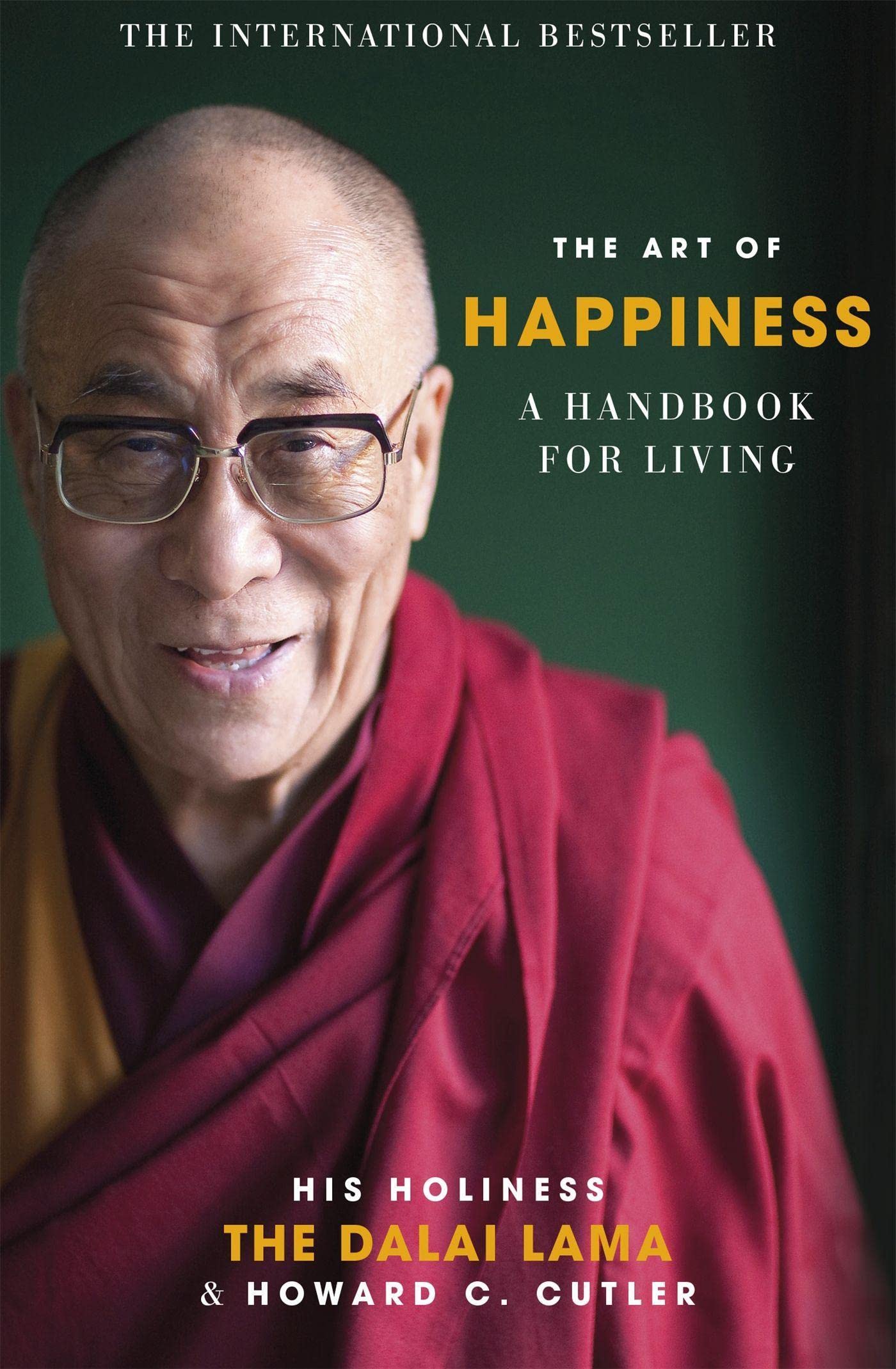
Hodder & Stoughton The Art of Happiness: A Handbook for Living by The Dalai Lama & Howard C. Cutler - Paperback Self-Help Classic on Buddhism & WellbeingA handbook for living, 'The Art of Happiness' pairs the spiritual insight of the Dalai Lama with the clinical expertise of Dr Howard C. Cutler. This practical guide explores how lasting contentment can be cultivated in everyday life, blending Tibetan Buddhist philosophy with Western psychology. The book is based on conversations between the Dalai Lama and Dr Cutler, recorded over several years, and offers a unique perspective on anxiety, loneliness, anger, loss, and the pursuit of wealth. Written with warmth, humour, and practicality, this influential work remains a valuable resource for those seeking calm and inner peace.9,99 £*Shipping: 2,99 £Secure redirect to the provider
-
I Love Wellness Calm bath salt for relaxation 500 gI Love Wellness Calm, 500 g, Bath Salts for Women, Do you love long baths in nice hot water? Your favourite relaxation ritual can be enhanced and taken to another level by I Love Wellness Calmbath salts. It lets you create a fragrant salt bath right in your own home, allowing tension and feelings of inner turmoil to melt away while creating a wonderful sense of well-being. But you don't just get the relaxation you deserve, although the intoxicating smell of salt certainly invites you to do so. Apart from relaxation, your body will also be treated to regeneration. Salt is rich in natural minerals, so it will help with skin regeneration and contribute to relieving any skin issues you may have. Characteristics: relaxing effect has a pleasant fragrance moisturises and softens strengthens the skin’s defences has a relaxing effect on the muscles of the body Ingredients: vegan product camomile extract – soothes, counteracts irritation, helps reduce redness and promotes regeneration How to use: Pour into a warm bath and allow to dissolve.3,40 £*Shipping: 3,99 £Secure redirect to the provider
-
Nature Kare Wellness Jwmax 300 mlNutrition and Supplements Special supplements Nature Kare Wellness Jwmax 300 ml This liquid composition, highly concentrated, contributes to the rehabilitation of damaged cartilage, to the proper functioning of the joints, and to the reduction of pain and inflammation. Precautions: They have not been described. Composition: Water, 20% Glucosamine Sulfate, 12% Chondroitin Sulfate, 5% Methyl Sulfonyl Methane (MSM), Collagen, 2% black currant concentrate juice, forest fruit aroma, 0.5% fish collagen, inulin 0.5%, 0.5% hyaluronic acid, vitamin C (ascorbic acid) 0.12%, preservative (potassium sorbate), sweeteners: sucralose and steviol glycosides from Stevia rebaudiana extract, beta carotene dye, Vitamin D (cholecalciferol) ). How to use: Take 10 ml 1 time a day, preferably before breakfast.34,73 £*Shipping: 3,99 £Secure redirect to the provider
-
Nature Kare Wellness Candikare 90 CapsulesNutrition and Supplements Special supplements Nature Kare Wellness Candikare 90 Capsules Synergic compound, excellent adjuvant in maintaining the healthy balance of the intestinal and vaginal bacterial flora and the digestive tract. Precautions: They have not been described. Composition: Sodium Caprilate, dry grapefruit extract, oregano, hydroxypropylmethylcellulose (empty capsule shell), maltodextrin, anti-caking agent (magnesium stearate), PW probiotics (corn starch, bacterial strains: B. bifidum, B. breve, B. lactis , B. longum, E. faecium, L-acidophilus, L. brevis, L. casei, L. plantarum, L. rhamnosus, L. salivarius, L. sporogenes, L. lactis, S. thermophilus), maltodextrin. How to use: Take 3 capsules a day, preferably before meals.25,65 £*Shipping: 3,99 £Secure redirect to the provider
-
What is the difference between meditation and prayer in Buddhism?
In Buddhism, meditation and prayer serve different purposes. Meditation is a practice that focuses on training the mind to achieve a state of mindfulness, concentration, and insight. It involves techniques such as mindfulness meditation, loving-kindness meditation, and breath awareness. On the other hand, prayer in Buddhism is less common and is usually directed towards the Buddha or bodhisattvas as a form of reverence and aspiration for guidance and blessings. While both practices can be beneficial for spiritual growth, meditation is more emphasized in Buddhism as a means to cultivate wisdom and compassion. **
-
What is the understanding of nature in Zen Buddhism?
In Zen Buddhism, nature is seen as a reflection of the interconnectedness and impermanence of all things. Nature is considered a source of wisdom and inspiration, with its ever-changing and cyclical patterns mirroring the teachings of impermanence and the importance of living in the present moment. Practitioners of Zen often seek to connect with nature through practices such as meditation in natural settings, to deepen their understanding of themselves and the world around them. Ultimately, nature is viewed as a teacher and a reminder of the inherent interconnectedness of all beings. **
-
What is meditation in Buddhism for a Christian, what prayer is?
For a Christian, meditation in Buddhism can be seen as a form of quiet reflection and mindfulness, similar to how prayer is a way to connect with God and seek guidance. While the practices may have different cultural and religious contexts, both meditation and prayer involve seeking inner peace, clarity, and a deeper connection to the divine. Christians may find value in incorporating elements of meditation from Buddhism into their prayer life as a way to deepen their spiritual practice and understanding. **
-
What are the differences between Buddhism and Tibetan Buddhism?
Buddhism is a broader religion that encompasses various traditions and schools, while Tibetan Buddhism is a specific branch of Buddhism that developed in Tibet. Tibetan Buddhism incorporates elements of Tibetan culture, such as rituals, deities, and practices like chanting and visualization. It also places a strong emphasis on the teachings of Tibetan Buddhist masters and the importance of the Dalai Lama. Additionally, Tibetan Buddhism includes unique practices such as the use of prayer flags, prayer wheels, and mandalas. **
Similar search terms for Buddhism
-
Nature Kare Wellness Up 60 CapsulesNutrition and Supplements Natural Extracts Nature Kare Wellness Up 60 Capsules What is Nature Kare Wellness Up 60 Vegetable Capsules? Nature Kare Wellness Up 60 Vegetable Capsules is an advanced nutritional supplement designed to support the general well-being of the body. Comprised of a unique blend of natural ingredients, each veggie capsule is formulated to strengthen the immune system, improve energy, and promote optimal health. The capsules are 100% vegetable, making them suitable for vegetarians and vegans. Benefits: * Strengthens the immune system thanks to its content of essential vitamins and minerals. * Increases energy levels and improves overall vitality. * Supports digestive health by incorporating prebiotics and fiber. * Contributes to better mental health and stress reduction with natural adaptogens. For whom it is? Nature Kare Wellness Up 60 Vegetable Capsules is ideal for adults looking to improve their health and general well-being. It is especially beneficial for those who lead an active lifestyle, people seeking additional nutritional support in their daily diet, and those who are interested in maintaining a robust immune system. How do I apply it? It is recommended to take one capsule of Nature Kare Wellness Up 60 Vegetable Capsules per day, preferably with a meal. It is important to read the label and follow dosage instructions to ensure maximum benefit from the supplement. Consult a health care professional before starting any new supplement, especially if you are pregnant, nursing, or have any pre-existing medical conditions. Buy Nature Kare Wellness Up 60 Vegetable Capsules Nature Kare Wellness Up 60 Vegetable Capsules is available for purchase in our online store. If you are looking for a natural boost to your health and well-being, this supplement offers a comprehensive and effective solution. Place your order now and start your path to a healthier and more energetic lifestyle.16,15 £*Shipping: 3,99 £Secure redirect to the provider
-
Nature Kare Wellness Go3+ Mitochondrika 60 CapsulesNutrition and Supplements Special supplements Nature Kare Wellness Go3+ Mitochondrika 60 Capsules Unique product that, due to its synergy and concentration, can contribute to the multiplication process of mitochondria and cellular energy. Instructions for use: Take 2 capsules a day with some food.29,96 £*Shipping: 3,99 £Secure redirect to the provider
-
Nature Kare Wellness Broccoli Max 90 CapsulesNutrition and Supplements Natural Extracts Nature Kare Wellness Broccoli Max 90 Capsules Food supplement based on broccoli with a high concentration of the active ingredients sulforaphane and Indole 3 carbinol. Broccoli is credited with antioxidant properties and support for the brain and heart, among others. Instructions for use: Take 1 capsule three times a day 15 minutes before meals.21,94 £*Shipping: 3,99 £Secure redirect to the provider
-
Nature Kare Wellness Magnesium B6 120 CapsulesNutrition and Supplements Vitamins and minerals Nature Kare Wellness Magnesium B6 120 Capsules What is Nature Kare Wellness Magnesium B6 120 Capsules? Nature Kare Wellness Magnesium B6 120 Capsules is a dietary supplement formulated to provide an optimal source of magnesium and vitamin B6, two essential nutrients for the overall well-being of the body. This product comes in convenient capsules that facilitate daily consumption, helping to maintain an adequate balance of these nutrients in your body. Magnesium is known for its role in muscle and nerve function, while vitamin B6 is essential for protein metabolism and neurotransmitter production. With 120 capsules per container, Nature Kare Wellness is the ideal solution for those looking for natural support for their health. Benefits: The benefits of Nature Kare Wellness Magnesium B6 are multiple and can positively impact your health. Some of the most notable are: • Improves muscle function: Magnesium contributes to muscle contraction and relaxation, which is essential for physical activity. • Supports the nervous system: This supplement helps maintain proper nerve function, which can reduce feelings of stress and anxiety. • Increases energy: Vitamin B6 is vital for energy production, helping to combat fatigue and improve daily performance. • Contributes to bone health: An adequate level of magnesium is essential for bone health, preventing conditions such as osteoporosis. • Promotes emotional well-being: The combination of magnesium and B6 can improve mood and help combat mild depression. Who is it for? Nature Kare Wellness Magnesium B6 120 Capsules is ideal for: • Active people: Those who exercise regularly and need additional support for their muscles. • Older adults: Who seek to maintain their bone health and prevent nutritional deficiencies. • People with stress: Those who want to improve their emotional well-being and reduce anxiety. • Vegetarians and vegans: Who require a magnesium and vitamin B6 supplement to complement their diet. How do I apply it? Using Nature Kare Wellness Magnesium B6 is simple and convenient. It is recommended to take two capsules a day , preferably with meals, to optimize nutrient absorption. It is important to follow the directions on the package and not exceed the recommended dosage. Additionally, it is advisable to consult a healthcare professional before starting any supplement, especially if you have pre-existing medical conditions or are taking other medications. Buy Nature Kare Wellness Magnesium B6 120 Capsules Take advantage of all the benefits offered by Nature Kare Wellness Magnesium B6 120 Capsules. This product is the perfect choice for those looking to improve their health naturally. Don't wait any longer to take care of yourself! Meta description: Discover Nature Kare Wellness Magnesium B6 120 Capsules, the ideal supplement for your well-being. Buy now!9,78 £*Shipping: 3,99 £Secure redirect to the provider
-
What is the difference between Buddhism and Zen Buddhism?
Buddhism is a broader religion and philosophy that encompasses a variety of traditions and practices, while Zen Buddhism is a specific school or branch of Mahayana Buddhism that emphasizes meditation and direct experience of enlightenment. Zen Buddhism places a strong emphasis on the practice of meditation (zazen) as a means to achieve enlightenment, while traditional Buddhism incorporates a wider range of practices such as chanting, rituals, and study of Buddhist scriptures. Additionally, Zen Buddhism often focuses on the teachings of specific Zen masters and the importance of the teacher-student relationship in transmitting wisdom and insight. **
-
What quotes are there on the topics of Buddhism, meditation, and mindfulness?
1. "Do not dwell in the past, do not dream of the future, concentrate the mind on the present moment." - Buddha 2. "Meditation brings wisdom; lack of meditation leaves ignorance. Know well what leads you forward and what holds you back, and choose the path that leads to wisdom." - Buddha 3. "The mind is everything. What you think you become." - Buddha 4. "Mindfulness is the aware, balanced acceptance of the present experience. It isn't more complicated than that. It is opening to or receiving the present moment, pleasant or unpleasant, just as it is, without either clinging to it or rejecting it." - Sylvia Boorstein **
-
Is Buddhism illogical?
Buddhism is not inherently illogical. It is a complex and diverse belief system that encompasses a wide range of philosophical and ethical teachings. While some aspects of Buddhist doctrine may seem counterintuitive or difficult to understand from a Western perspective, they are based on a different cultural and philosophical framework. Many Buddhist teachings emphasize the importance of critical thinking and personal experience, and encourage followers to question and explore their beliefs. Ultimately, whether Buddhism is considered logical or not may depend on one's own perspective and understanding of its teachings. **
-
What is the difference between Zen Buddhism and regular Buddhism?
The main difference between Zen Buddhism and regular Buddhism lies in their approach to meditation and enlightenment. Zen Buddhism, which originated in China and later developed in Japan, emphasizes the practice of meditation (zazen) as the primary means to attain enlightenment. It focuses on direct experience and intuitive understanding, often through the guidance of a teacher. Regular Buddhism, on the other hand, encompasses a variety of traditions and practices, with meditation being just one of them. It places more emphasis on the study of scriptures, ethical conduct, and the development of wisdom and compassion. While both Zen Buddhism and regular Buddhism share the same core teachings of the Four Noble Truths and the Eightfold Path, their methods and emphasis on practice differ. **
* All prices are inclusive of VAT and, if applicable, plus shipping costs. The offer information is based on the details provided by the respective shop and is updated through automated processes. Real-time updates do not occur, so deviations can occur in individual cases. ** Note: Parts of this content were created by AI.