Buy waldbaden.eu ?
We are moving the project
waldbaden.eu .
Are you interested in purchasing the domain
waldbaden.eu ?
domain@kv-gmbh.de · 0541-91531010
Buy waldbaden.eu ?
Are deer or roe deer better?
Both deer and roe deer are unique in their own ways and it ultimately depends on personal preference. Deer are typically larger in size and have a more widespread habitat, while roe deer are smaller and more commonly found in Europe. Some may prefer the majestic appearance of deer, while others may appreciate the elegance of roe deer. Ultimately, both species are fascinating animals with their own distinct characteristics. **
What are roe deer and deer?
Roe deer and deer are both types of ungulates, which are hoofed mammals. Roe deer specifically refer to a species of small to medium-sized deer found in Europe and Asia. They are known for their reddish-brown fur and distinctive white rump patch. On the other hand, the term "deer" is a more general classification that encompasses a variety of species within the family Cervidae, including roe deer, white-tailed deer, elk, and moose. Deer are known for their antlers, which are typically found on males and are used for mating rituals and defense. **


Similar search terms for Deer
Top-Angebote
Products related to Deer:
-
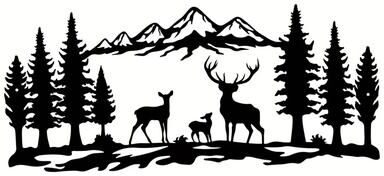
Uplift Essentials Mountain Forest Metal Wall Art deerAdd depth and style to your home with this mountain forest metal wall art. Designed with clean minimalist lines, this black iron piece brings a modern, nature inspired touch to living rooms, bedrooms, hallways, and office spaces. Its lightweight...59,97 $*Shipping: 0,00 $Secure redirect to the provider
-
Men's Big & Tall Boulder Creek™ Nature Graphic Tee by Boulder Creek in Forest Deer (Size 5XL)About This Product Show off your love for the great outdoors in the Big and Tall Boulder Creek™ Nature Graphic Tee from KingSize. For hanging out to going out, this graphic tee is an essential shirt every big and tall guy should have in his everyday...27,99 $*Shipping: 0,00 $Secure redirect to the provider
-
Men's Big & Tall Boulder Creek™ Nature Graphic Tee by Boulder Creek in Forest Deer (Size 7XL)About This Product Show off your love for the great outdoors in the Big and Tall Boulder Creek™ Nature Graphic Tee from KingSize. For hanging out to going out, this graphic tee is an essential shirt every big and tall guy should have in his everyday...27,99 $*Shipping: 0,00 $Secure redirect to the provider



-
Are deer harmful or beneficial to the forest?
Deer can be both harmful and beneficial to the forest. On one hand, they can overgraze on young trees and plants, which can hinder the regeneration of the forest and impact the overall biodiversity. On the other hand, deer can also help disperse seeds and create openings in the forest canopy, which can promote the growth of certain plant species. Ultimately, the impact of deer on the forest depends on the population size and the balance between their browsing and ecological contributions. **
-
Why is it called fallow deer and not just deer and roe deer?
Fallow deer are a specific species of deer that are native to Europe and parts of Asia. They are distinct from other types of deer, such as roe deer, in terms of their physical characteristics and behavior. The term "fallow" likely comes from the Old English word "fealu," which means pale or yellowish-brown, referring to the deer's coat color. Therefore, the name "fallow deer" is used to differentiate this particular species from other types of deer. **
-
Why is it called fallow deer and not simply deer and roe deer?
Fallow deer are a specific species of deer known for their distinctive coat colors and palmate antlers. They are called fallow deer to differentiate them from other types of deer, such as red deer or roe deer, which have different physical characteristics and behaviors. Using the term "fallow deer" helps to specify the particular species being referred to in conversations or literature about deer. **
-
From what time are there deer in the forest?
Deer are typically found in the forest during the early morning and late evening hours, which is known as the crepuscular period. This is when they are most active and forage for food. During the day, they may rest in shaded areas or hidden spots within the forest to avoid predators. Therefore, if you want to spot deer in the forest, it's best to visit during these times. **


Why is it actually called Fallow deer and not just deer and roe deer?
Fallow deer are specifically named to distinguish them from other types of deer, such as roe deer. The term "fallow" refers to their pale, yellow-brown coloration, which is unique to this species. By using the specific name "Fallow deer," it helps to accurately identify and classify this particular type of deer within the broader category of deer species. **
Why is it actually called fallow deer and not just deer and roe deer?
Fallow deer are a specific species of deer that are native to Europe and parts of Asia. They are distinct from other types of deer, such as roe deer, in terms of their physical characteristics and behavior. The term "fallow" likely comes from the Old English word "fealu," which means pale or yellowish-brown, referring to the deer's coat color. Therefore, the name "fallow deer" helps to differentiate this particular species from other types of deer. **
Top-Angebote
Products related to Deer:
-
Arthouse Cletis Neutral Deer Forest WallpaperSurround yourself with the peace and wonder of the woodlands with this scenic wallpaper. Deer roam through deciduous forests visited by sparrows, the tranquil scene inked in soft watercolors in shades of green, brown, and white.27,49 $*Shipping: 0,00 $Secure redirect to the provider
-
Advantage Forest of Arden Apricot Deer WallpaperProud stags march through a woodland forest in this gorgeous wallpaper print. The bucks are inked in pale brown, while the trees sport apricot, teal, periwinkle, and brown foliage that's offset against a creamy taupe backdrop.63,49 $*Shipping: 0,00 $Secure redirect to the provider
-
Uplift Essentials Mountain Forest Metal Wall Art deerAdd depth and style to your home with this mountain forest metal wall art. Designed with clean minimalist lines, this black iron piece brings a modern, nature inspired touch to living rooms, bedrooms, hallways, and office spaces. Its lightweight...59,97 $*Shipping: 0,00 $Secure redirect to the provider
-
Are deer or roe deer better?
Both deer and roe deer are unique in their own ways and it ultimately depends on personal preference. Deer are typically larger in size and have a more widespread habitat, while roe deer are smaller and more commonly found in Europe. Some may prefer the majestic appearance of deer, while others may appreciate the elegance of roe deer. Ultimately, both species are fascinating animals with their own distinct characteristics. **
-
What are roe deer and deer?
Roe deer and deer are both types of ungulates, which are hoofed mammals. Roe deer specifically refer to a species of small to medium-sized deer found in Europe and Asia. They are known for their reddish-brown fur and distinctive white rump patch. On the other hand, the term "deer" is a more general classification that encompasses a variety of species within the family Cervidae, including roe deer, white-tailed deer, elk, and moose. Deer are known for their antlers, which are typically found on males and are used for mating rituals and defense. **
-
Are deer harmful or beneficial to the forest?
Deer can be both harmful and beneficial to the forest. On one hand, they can overgraze on young trees and plants, which can hinder the regeneration of the forest and impact the overall biodiversity. On the other hand, deer can also help disperse seeds and create openings in the forest canopy, which can promote the growth of certain plant species. Ultimately, the impact of deer on the forest depends on the population size and the balance between their browsing and ecological contributions. **
-
Why is it called fallow deer and not just deer and roe deer?
Fallow deer are a specific species of deer that are native to Europe and parts of Asia. They are distinct from other types of deer, such as roe deer, in terms of their physical characteristics and behavior. The term "fallow" likely comes from the Old English word "fealu," which means pale or yellowish-brown, referring to the deer's coat color. Therefore, the name "fallow deer" is used to differentiate this particular species from other types of deer. **
Similar search terms for Deer
-
Men's Big & Tall Boulder Creek™ Nature Graphic Tee by Boulder Creek in Forest Deer (Size 5XL)About This Product Show off your love for the great outdoors in the Big and Tall Boulder Creek™ Nature Graphic Tee from KingSize. For hanging out to going out, this graphic tee is an essential shirt every big and tall guy should have in his everyday...27,99 $*Shipping: 0,00 $Secure redirect to the provider
-
Men's Big & Tall Boulder Creek™ Nature Graphic Tee by Boulder Creek in Forest Deer (Size 7XL)About This Product Show off your love for the great outdoors in the Big and Tall Boulder Creek™ Nature Graphic Tee from KingSize. For hanging out to going out, this graphic tee is an essential shirt every big and tall guy should have in his everyday...27,99 $*Shipping: 0,00 $Secure redirect to the provider
-
Men's Big & Tall Boulder Creek™ Nature Graphic Tee by Boulder Creek in Forest Deer (Size 8XL)About This Product Show off your love for the great outdoors in the Big and Tall Boulder Creek™ Nature Graphic Tee from KingSize. For hanging out to going out, this graphic tee is an essential shirt every big and tall guy should have in his everyday...27,99 $*Shipping: 0,00 $Secure redirect to the provider
-
Men's Big & Tall Boulder Creek™ Nature Graphic Tee by Boulder Creek in Forest Deer (Size XL)About This Product Show off your love for the great outdoors in the Big and Tall Boulder Creek™ Nature Graphic Tee from KingSize. For hanging out to going out, this graphic tee is an essential shirt every big and tall guy should have in his everyday...27,99 $*Shipping: 0,00 $Secure redirect to the provider
-
Why is it called fallow deer and not simply deer and roe deer?
Fallow deer are a specific species of deer known for their distinctive coat colors and palmate antlers. They are called fallow deer to differentiate them from other types of deer, such as red deer or roe deer, which have different physical characteristics and behaviors. Using the term "fallow deer" helps to specify the particular species being referred to in conversations or literature about deer. **
-
From what time are there deer in the forest?
Deer are typically found in the forest during the early morning and late evening hours, which is known as the crepuscular period. This is when they are most active and forage for food. During the day, they may rest in shaded areas or hidden spots within the forest to avoid predators. Therefore, if you want to spot deer in the forest, it's best to visit during these times. **
-
Why is it actually called Fallow deer and not just deer and roe deer?
Fallow deer are specifically named to distinguish them from other types of deer, such as roe deer. The term "fallow" refers to their pale, yellow-brown coloration, which is unique to this species. By using the specific name "Fallow deer," it helps to accurately identify and classify this particular type of deer within the broader category of deer species. **
-
Why is it actually called fallow deer and not just deer and roe deer?
Fallow deer are a specific species of deer that are native to Europe and parts of Asia. They are distinct from other types of deer, such as roe deer, in terms of their physical characteristics and behavior. The term "fallow" likely comes from the Old English word "fealu," which means pale or yellowish-brown, referring to the deer's coat color. Therefore, the name "fallow deer" helps to differentiate this particular species from other types of deer. **
* All prices are inclusive of VAT and, if applicable, plus shipping costs. The offer information is based on the details provided by the respective shop and is updated through automated processes. Real-time updates do not occur, so deviations can occur in individual cases. ** Note: Parts of this content were created by AI.